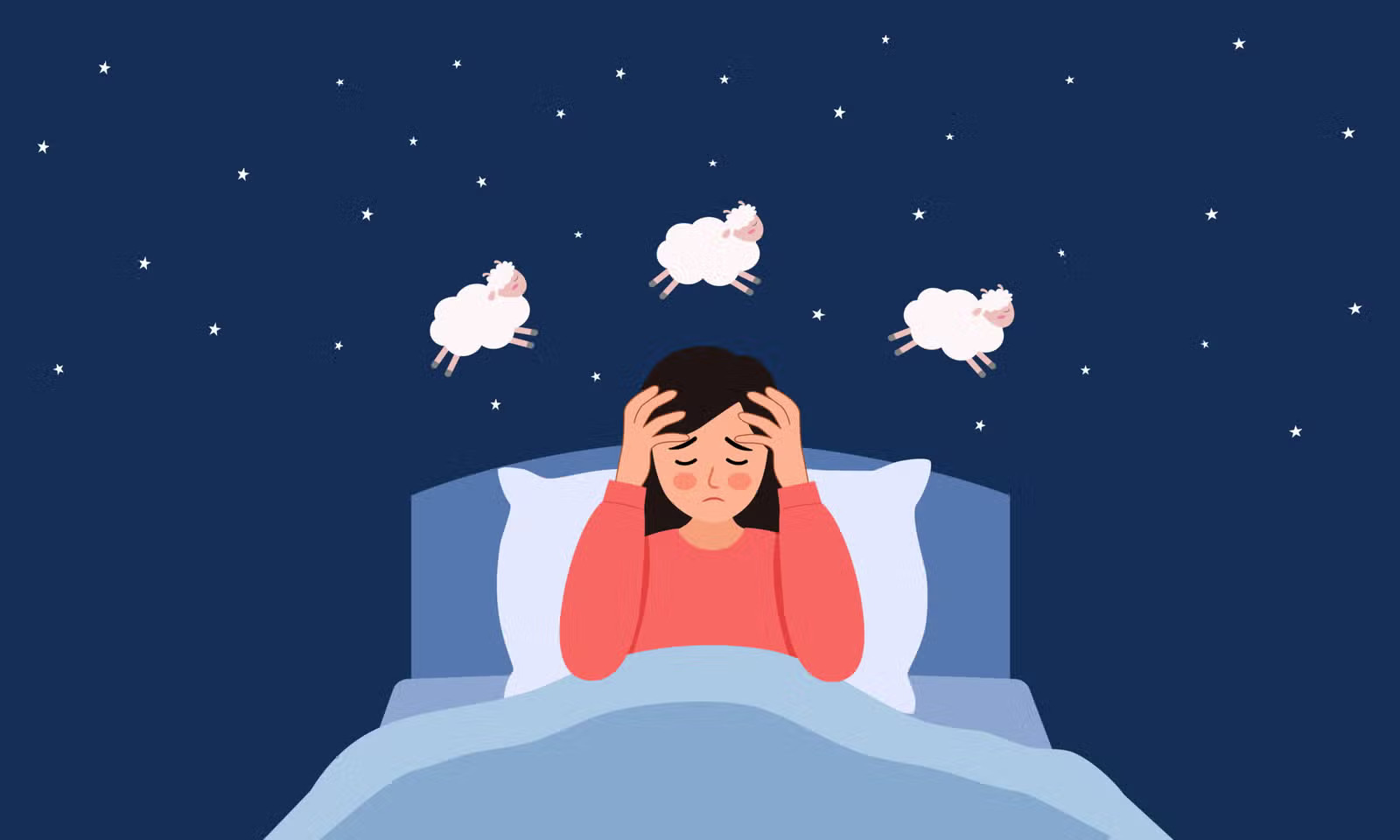


Lying awake in our beds, unable to shed the worries and stresses of the day or days to come, when we should be peacefully drifting off to dreamland. For some of us, this is an unfortunate nightly ritual. New research shows that people with chronic difficulties getting to sleep may suffer from a disruption in the brain’s ability to transition from aroused, daytime problem-solving to necessary, nightly downtime, a 24-hour cycle. In short, the brains of insomniacs fail to disengage at the appropriate hour, continuing to process the concerns of the day well past bedtime. The researchers monitored 32 older adults—16 healthy sleepers and 16 insomniacs—over the course of 24 hours. During this period, the participants were isolated in beds without environmental or behavioral signals to alert them to the time of day. This dimly-lit setup, in effect, meant that the volunteers’ brain activity—which the scientists assessed hourly through checklists that captured data on the quality and controllability of their thoughts—was influenced exclusively by the internal, circadian rhythms that pulse through us all. By observing these different sleepers, the scientists found that they all had natural peaks of brain activity in the afternoon and valleys in the early morning hours. But people who had trouble drifting off to sleep failed to transition effectively between these two states. “Unlike good sleepers, whose cognitive state shifted predictably from daytime problem-solving to nighttime disengagement, those with insomnia failed to downshift as strongly,” said University of South Australia clinical psychologist and co-author Kurt Lushing ton in a statement. “Their thought patterns stayed more daytime-like in the nighttime hours when the brain should be quietening.”
Thank you for reading this post, don't forget to subscribe!Here Is Why Some Insomniacs Cannot Sleep