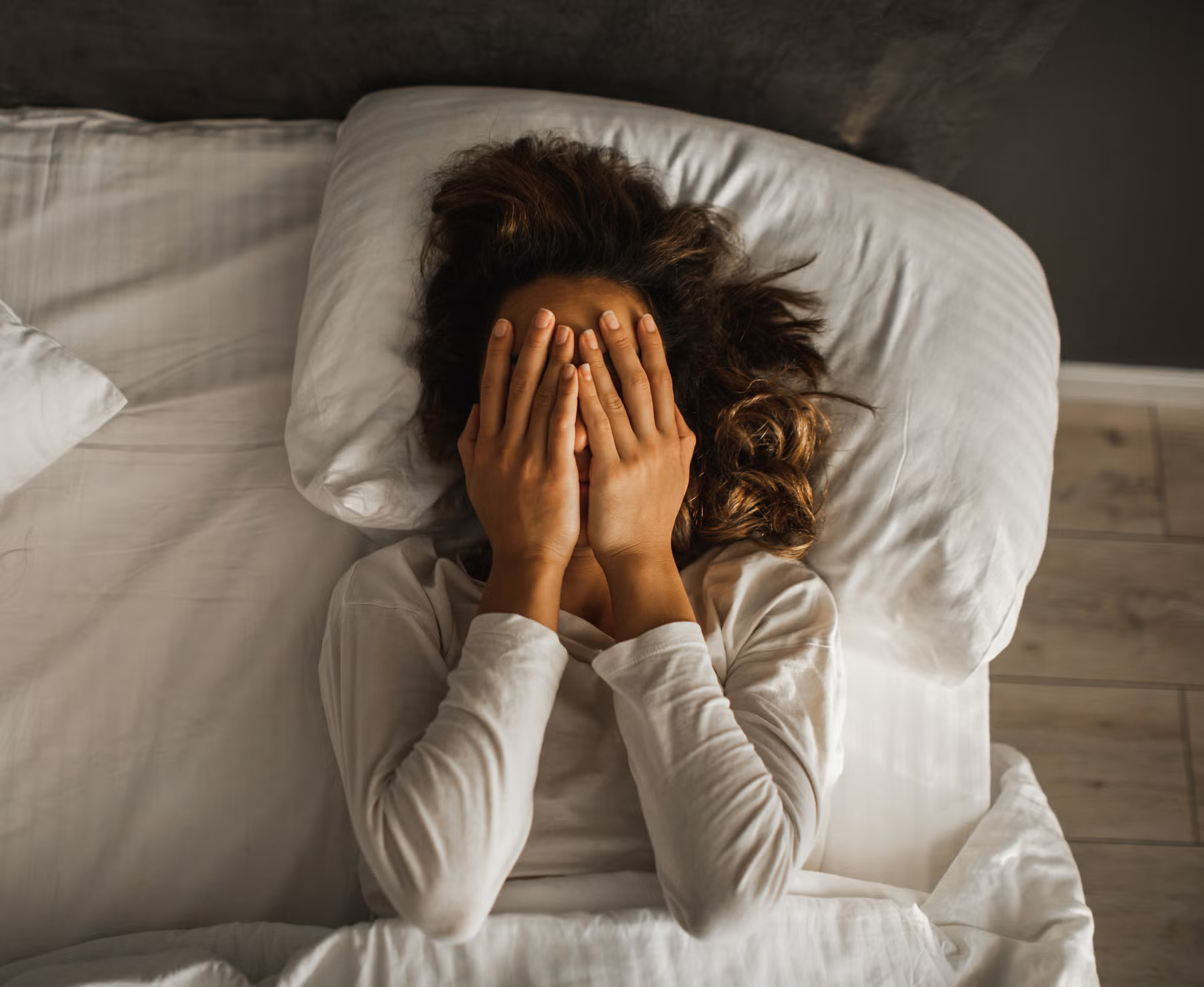


Using a wearable might seem like a foolproof way to learn about your body. Orthosomnia is a behavioral pattern that happens when someone becomes preoccupied with achieving perfect sleep data The wearable data just wasn’t helpful and in some cases, we felt like it was encouraging worse sleep behaviors The name “orthosomnia” was inspired by the term “orthorexia,” which is an eating disorder characterized by an obsession with healthy eating that can lead to nutritional deficiencies, Baron explains. (“Ortho” means correct, and “somnia” means sleep.) In both cases, too much of a good thing—i.e., paying attention to your health—can leave you exacerbating the very problem you set out to fix. While a perfect sleep score might be a pretty thing to chase, Baron says that grading your sleep doesn’t really make sense in the first place—especially because the metrics that wearables measure, like time spent in the REM sleep, can vary among individuals. While some trackers might designate certain amounts of time in each sleep stage as goals to hit, there’s actually no ideal “perfect” number of hours spent in each stage The trackers also aren’t always accurate: They can’t always detect when you’re sleeping or awake, says Krieger. Often, they just measure when you’re still. (And there’s no way for you to fact-check the data…because you’re asleep!) While trackers can help you detect abnormalities—like dips in your blood oxygen saturation that could indicate possible sleep apnea—they’re not the total source of truth for sleep patterns. Your wearable device may not pick up on possible stressors in your life, such as the light from across the street that wakes you up, or other causes of sleep disruption. Orthosomnia is a behavior hinging on stress associated with tracking your sleep, specifically with a device. But insomnia is a sleep disorder that deals with “difficulty falling asleep, staying asleep or waking up too early,” says Baron. Someone with chronic insomnia would have to experience these symptoms at least three times a week for three months. Lack of sleep would have to bother them during the day, too: Someone with insomnia might experience sleepiness, trouble concentrating, irritability, or confusion during the daytime
Thank you for reading this post, don't forget to subscribe!Stressing Over Bad Sleep Scores On Your Wearable This Rising Phenomenon Is Called Orthosomnia