

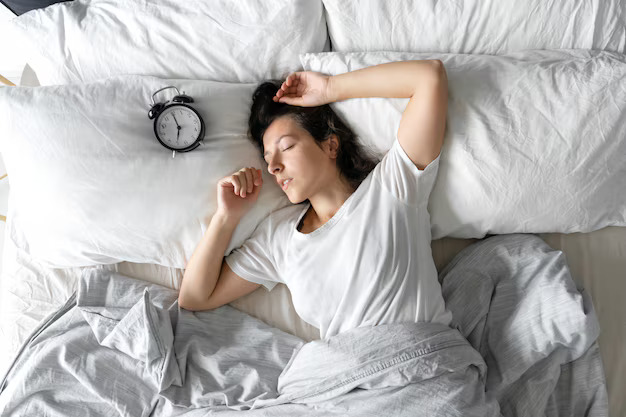
Are Sleep Apps Making Insomnia Worse

In today’s hyper-connected world, millions of people turn to sleep apps for insomnia hoping for quick relief. From sleep tracking and white noise to guided meditations and smart alarms, digital tools promise better rest at the tap of a screen. But an important question is emerging: Are sleep apps making insomnia worse

Thank you for reading this post, don't forget to subscribe!

While technology can support healthy sleep habits, over-reliance on sleep tracking apps may unintentionally increase anxiety, disrupt natural sleep cycles, and worsen insomnia symptoms. Let’s explore science, psychology, and how to use sleep technology wisely.


Understanding Insomnia in the Digital Age

Insomnia is one of the most common sleep disorders worldwide. It involves difficulty falling asleep, staying asleep, or waking too early despite having the opportunity to sleep.

Common causes of insomnia include:

  • Stress and anxiety
  • Irregular sleep schedules
  • Excessive screen time
  • Poor sleep hygiene
  • Overstimulation before bed

Ironically, many people download sleep apps to fix these issues — but sometimes, the solution becomes part of the problem.


The Rise of Sleep Apps and Sleep Tracking Technology

The global demand for sleep tracking apps and wearable sleep devices has grown rapidly. Popular features include:

  • Sleep stage tracking
  • Smart alarms
  • Sleep score reports
  • White noise and calming sounds
  • Guided breathing and meditation
  • Snoring detection

These tools can increase awareness about sleep patterns and encourage better bedtime routines. However, constant monitoring can also create pressure to “sleep perfectly.”


What Is Orthosomnia? When Sleep Tracking Causes Anxiety

Sleep experts have identified a growing phenomenon called orthosomnia — an unhealthy obsession with achieving “perfect sleep” based on app-generated data.

The term was first described by researchers at Rush University Medical Center, who noticed patients becoming overly anxious about their sleep scores.

Instead of feeling reassured, some users:

  • Check sleep data immediately upon waking
  • Feel stressed if their sleep score is low
  • Worry excessively about deep sleep percentages
  • Change routines repeatedly based on minor data shifts

This anxiety can lead to sleep performance anxiety, making it harder to fall asleep naturally.


How Sleep Apps May Worsen Insomnia

1. Increased Sleep Anxiety

Constant tracking can turn sleep into a measurable task rather than a natural process. When people focus too much on metrics, they may experience:

  • Racing thoughts at bedtime
  • Fear of not sleeping “well enough”
  • Frustration when data doesn’t match how they feel

This mental pressure activates the stress response, increasing cortisol — the opposite of what the body needs for restful sleep.


2. Blue Light Exposure Before Bed

Many sleep apps require phone use right before sleep. Exposure to blue light from screens can suppress melatonin production and delay sleep onset.

Even if you’re using a relaxation app, the act of scrolling, checking notifications, or reviewing sleep statistics may stimulate the brain instead of calming it.


3. Inaccurate Sleep Data

Consumer sleep tracking apps and wearable devices are not medical-grade diagnostic tools. They estimate sleep stages based on movement and heart rate — not brain waves.

When users rely heavily on potentially inaccurate data, they may:

  • Believe they “slept badly” even if they feel rested
  • Misinterpret normal night awakenings as serious problems
  • Develop distrust in their body’s natural sleep signals

This disconnect can reinforce insomnia symptoms.


4. Over-Optimization of Sleep

A growing trend in sleep health is biohacking — trying to optimize every variable, from temperature to REM percentages.

While healthy habits are beneficial, obsessively adjusting:

  • Mattress firmness
  • Bedtime by minutes
  • Supplement timing
  • Breathing patterns

can create hyper-awareness that disrupts natural sleep rhythms.

Sleep works best when it is allowed — not forced.


When Sleep Apps Can Actually Help

It’s important to note that sleep apps are not inherently harmful. In fact, they can be helpful when used appropriately.

Sleep apps may support:

  • Building consistent bedtime routines
  • Practicing relaxation techniques
  • Tracking general sleep patterns over time
  • Encouraging mindfulness before bed

Many apps now include cognitive behavioral therapy for insomnia (CBT-I) techniques, which are evidence-based and highly effective for chronic insomnia.

The key is mindful usage.


Signs Your Sleep App May Be Making Insomnia Worse

Ask yourself:

  • Do you feel anxious checking your sleep score?
  • Do you stay awake worrying about deep sleep percentages?
  • Do you change routines frequently based on app data?
  • Do you feel worse about your sleep than before using the app?

If the answer is yes, your sleep tracking app may be contributing to sleep anxiety and insomnia rather than resolving it.


Healthier Ways to Use Sleep Technology

If you want to continue using sleep apps without worsening insomnia, consider these practical strategies:

1. Limit Data Checking

Review sleep data weekly instead of daily to reduce performance pressure.

2. Avoid Screens 30–60 Minutes Before Bed

Use audio-only features or set the app in advance to minimize blue light exposure.

3. Focus on How You Feel

Your subjective experience matters more than app-generated sleep stages.

4. Prioritize Sleep Hygiene

Maintain consistent bedtimes, reduce caffeine intake, and create a dark, cool sleep environment.

5. Consider Professional Guidance

If insomnia persists, consult a sleep specialist rather than relying solely on apps.


The Psychology of Letting Sleep Happen

One of the most powerful treatments for insomnia involves reducing effort around sleep. Cognitive Behavioral Therapy for Insomnia (CBT-I) teaches people to:

  • Stop trying to control sleep
  • Accept occasional bad nights
  • Rebuild trust in natural sleep cycles

When sleep becomes less of a performance and more of a biological process, it often improves.

Ironically, the less you try to force perfect sleep, the more likely it is to happen.


Also read: Do Sleep Trackers Really Improve Sleep Quality

The Bottom Line: Are Sleep Apps Making Insomnia Worse?

Sleep apps can be helpful tools — but they are not cures. For some individuals, especially those prone to anxiety, constant sleep tracking may increase stress, promote orthosomnia, and worsen insomnia symptoms.

Technology should support healthy sleep habits, not dominate them.

If you find yourself obsessing over sleep scores or feeling anxious at bedtime, consider taking a break from tracking. Reconnect with your body’s natural rhythms, focus on consistent routines, and remember:

Sleep is not something you achieve.
It’s something you allow.

By using sleep apps mindfully — rather than obsessively — you can harness the benefits of technology without sacrificing restful, restorative sleep.