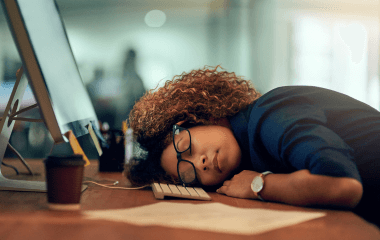


Daytime sleepiness is a common problem that can be detrimental for mood, performance, and quality of life,” said Dr. Eric Olson, past president of the AASM. “Healthy sleep enables us to feel great and perform our best during the day.” The survey results vary based on both gender and age. For example, women (36%) are more likely than men (25%) to say that household management is an area of their life affected by sleepiness, and respondents aged 25-34 (30%) and 35-44 (31%) are the most likely age groups to report that sleepiness affects their relationships. The survey also found that adults employ a variety of strategies to combat sleepiness and improve alertness. The most reported methods are to use caffeine (56%) or take a nap (46%). “While it’s common to have coffee or another caffeinated drink to improve alertness, consistently relying on caffeine to function during the daytime is a sign that you need more sleep,” said Olson. “The AASM recommends that adults sleep 7 or more hours per night regularly.” Health care professionals need to recognize that the evaluation and management of sleepiness is essential for patient safety and patient-centered care,” Olson said. Sleepiness is both a marker of insufficient sleep and a symptom of sleep disorders, and sleepiness can be caused by other medical conditions, mental health problems, medications, or drugs. Excessive daytime sleepiness is a warning sign that demands clinical attention.
Thank you for reading this post, don't forget to subscribe!
managing sleep and challenges for night shift workerssleep and healthsleep and sleep managementsleep and stress management
Daytime Sleepiness Affects The Daily Activities Of Most Adults