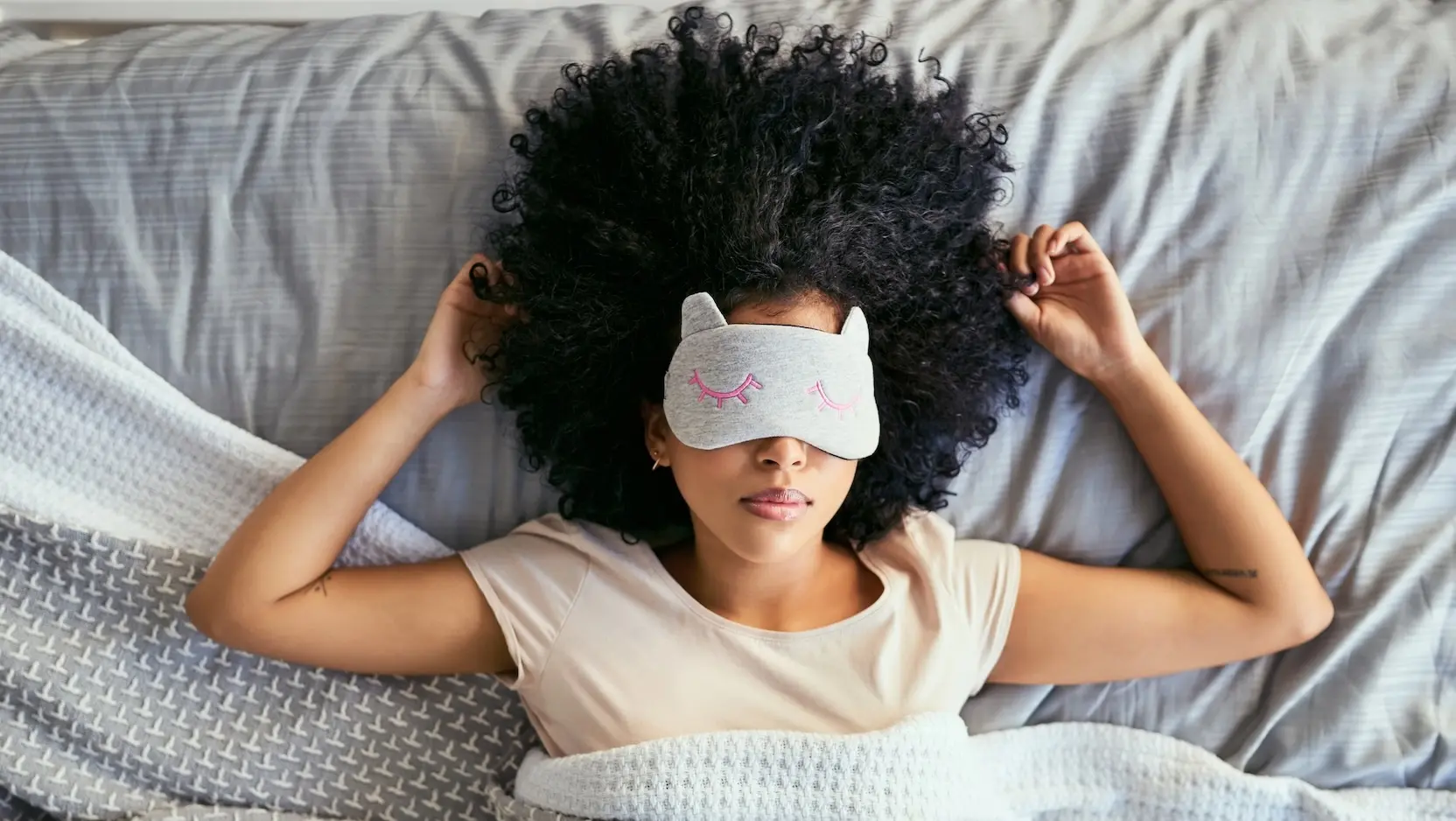


Sleep shouldn’t be treated as a luxury; it’s basic physiology. During those hours, the brain consolidates memories, cleans itself up on a molecular level, and resets systems that help people focus during the day. Focusing on employed adults, they pulled three clean metrics from the diaries: morning wake time, bedtime later that night, and total minutes people counted as sleep within 24 hours. Lauderdale is careful to qualify that final category as “time set aside for sleep,” since time diaries can’t judge sleep quality or distinguish whether people spent some of that time in bed on non-sleep activities like reading a book or scrolling on their phones. Sleep is an essential part of life,” said Kenneth Lee, MD, a neurologist and sleep medicine physician. “We don’t really know why we sleep, but we know a lot happens during sleep, like clearing metabolic waste, supporting memory, and regulating other body systems. And we know there are serious health risks associated with being sleep deprived.” On sleep quantity, Lee points to the standard guideline: 7–9 hours for most adults. But he cautions against treating it like a rigid scorecard. “Everybody’s a little bit different,” he said. “You’re probably functional at six hours, but that’s probably not optimal.” Chronic partial sleep loss can chip away at performance and well-being over time. Cool, dark, and quiet. Simple “sleep hygiene” steps help the body wind down. Lee supports well-known best practices like a cool, dark room, a steady wind-down routine, and limiting stimulating activities at night. He’s clear, though: hygiene is only the tip of the iceberg for severe insomnia — some people need targeted therapies beyond environmental tweaks. Don’t chase sleep by “trying harder.” After a short night, many people plan extra time in bed to “catch up” on sleep. That can backfire if you’re simply lying awake. Sticking to a routine and following the previous tips will serve you better in the long run. Don’t spend a lot of time awake in bed. “Make sure that the bed is really only for sleep and intimacy,” Lee said. Checking email or scrolling social media in bed trains the brain that the space is for being awake. One corollary: “If you’re not falling asleep within 20 to 30 minutes, get out of bed, then return when you’re sleepy. By spending more time in bed not sleeping, your body is learning how to not sleep in bed.”
Thank you for reading this post, don't forget to subscribe!How To Translate More Time In Bed Into More High Quality Sleep