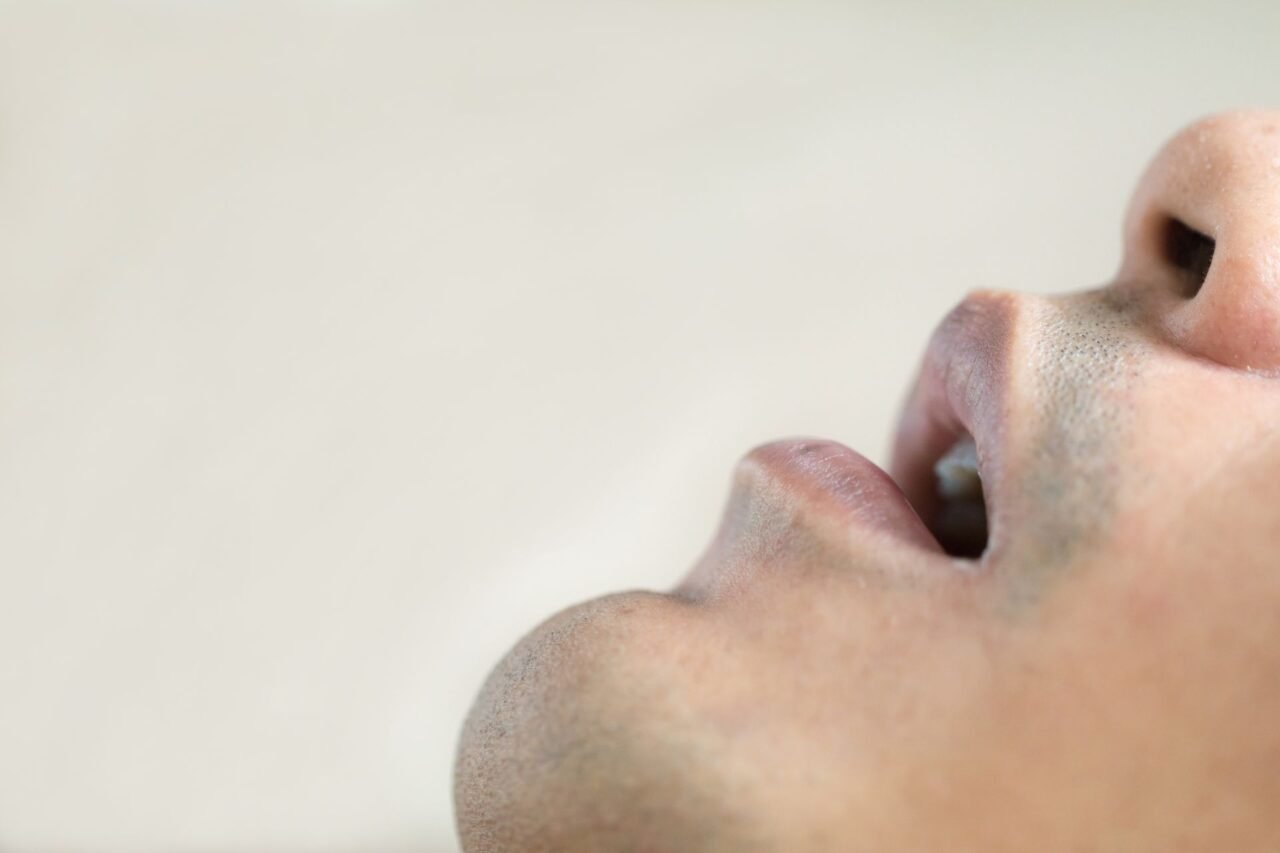


New research shows a worrying connection between untreated apnea and a well-known neurodegenerative disorder. Your loud snoring could be a sign of untreated sleep apnea. About a third of American adults are living with obstructive sleep apnea, a condition that robs people of restful sleep and causes subtle damage throughout the body, especially if left untreated. New research out this week seems to show that sleep apnea can harm the brain in unexpected ways. People with obstructive sleep apnea were significantly more likely to later be diagnosed with Parkinson’s disease, they found. The findings also suggest that treating sleep apnea early with continuous positive airway pressure (CPAP) can lower the odds of developing this neurodegenerative condition. Effective screening measures and protocols for consistent adherence to CPAP may have a large impact on brain health. Obstructive sleep apnea, or OSA, is the most common form of sleep apnea. It happens when airway muscles physically block a person’s breathing during sleep. Though these bouts of no breathing are momentary, they can occur hundreds of times a night in some cases. Loud snoring is a common symptom of sleep apnea, though not all people with sleep apnea snore, and not all regular snorers have sleep apnea. OSA can steadily worsen our health over time since it subtly disturbs our sleep (the body briefly awakens to restore breathing) and can cause chronic low oxygen levels that are harmful to the heart and brain. OSA is suspected to raise the risk of various conditions, including heart disease, diabetes, and brain damage. Some research has also suggested that OSA may affect the risk of Parkinson’s, a neurological condition that gradually destroys nerve cells, sapping our ability to move and stay coordinated.
Thank you for reading this post, don't forget to subscribe!
Managing snoring and sleep challengesleep and healthsleep and sleep managementsleep and stress managementSleep Disorders
Ignoring Your Sleep Apnea It Could Be Messing With Your Brain