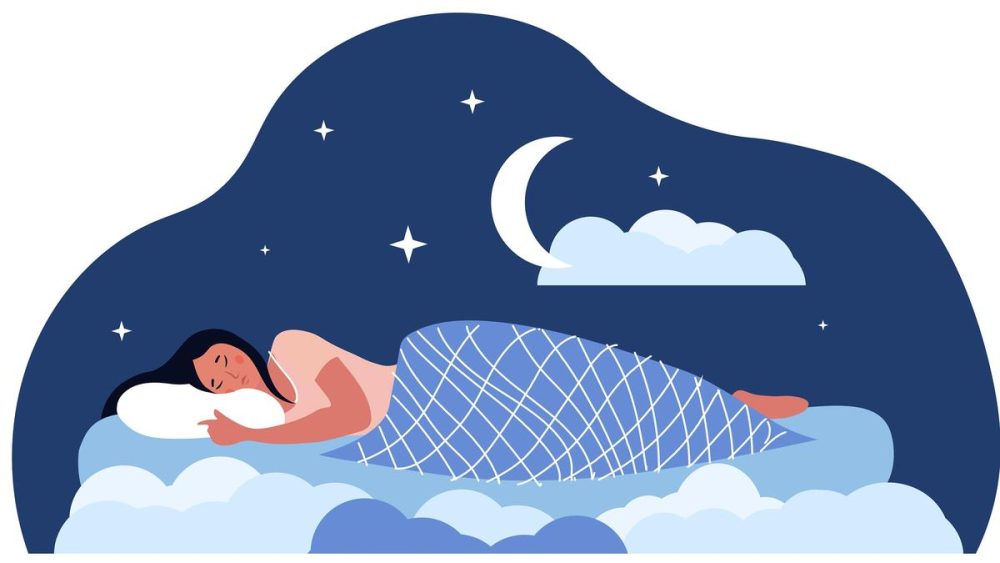


The connection between sleep and health is straightforward: take care of your sleep, and your health will take care of itself. We have to shatter the belief that sleep reduces productivity and instead, incorporate it as a necessary component of health sleep has been one of the biggest victims of our ambitions and progress. We view sleep as optional, and wear sleep deprivation as a badge to show off our achievements in the fast lane. Medical evidence however, tells us that sleep is a complex process, a process that is probably the least understood of human biology. Our entire body, from the immune system to the brain, needs rest and time to recharge. Not surprisingly, deficiency in quality and quantity of sleep is related to almost all chronic diseases. It is time therefore, to stop treating sleep as optional and recognize it as priority for good health. Sleep disorders can manifest as subtle biological indicators, which may be neglected until the last moment. They are, however, important. Examples of biological indicators of sleep disorders include loud snoring, gasps, and choking during sleep, as well as interrupted sleep. Additionally, as our mental and emotional health is closely intertwined with our sleep health, irritability, feelings of depression, and mood fluctuations can also serve as indicators that our brains are unable to cope with the everyday stresses that come with poor sleep. good sleep can disrupt our bodily processes in the long run. The price of insomnia is high: research indicates that cardiovascular diseases, diabetes mellitus and obesity can all be caused by a lifestyle involving sleep deprivation. Hypertension can also be caused by the strain that insomnia puts on the autonomic nervous system, which further elevates the risk of headaches and strokes. Ensuring a good sleep cycle can work in our defence to protect us from long-term health conditions.
Thank you for reading this post, don't forget to subscribe!The Connection Between Sleep And Health Why India Sleep Crisis Needs Tackling