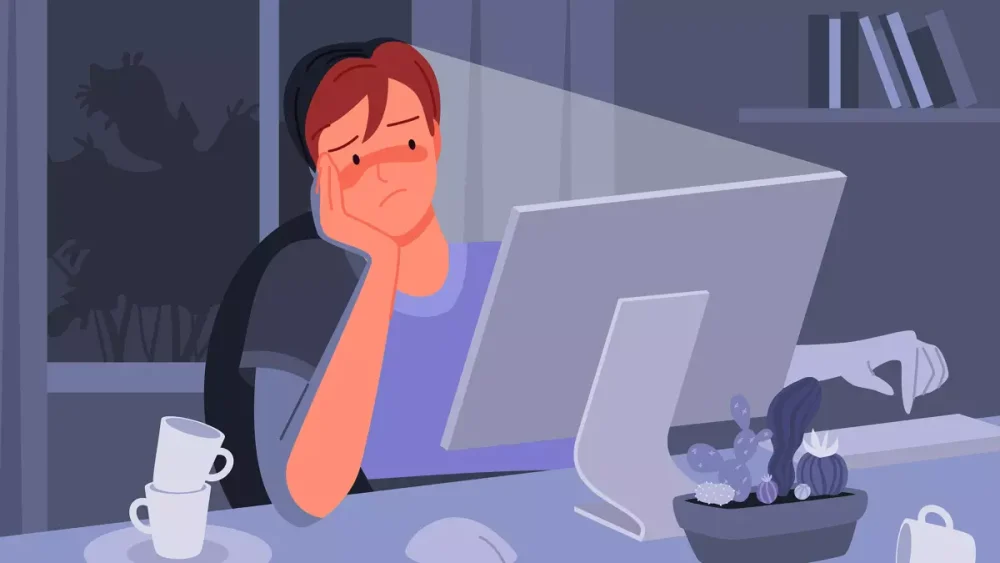


Revenge Bedtime Procrastination is a psychological response to a lack of daytime autonomy. Chronic sleep delay is linked to cardiovascular disease and impaired cognitive function. Adults typically require 7-9 hours of sleep for optimal metabolic and mental health. Blue light exposure from devices suppresses melatonin, delaying sleep onset. A silent crisis currently pervades the professional world, where the boundaries between restorative rest and personal autonomy have collapsed. Professionals increasingly engage in a behavior where sleep is voluntarily sacrificed to reclaim time lost to demanding daytime schedules. This phenomenon represents a critical tension between the psychological need for freedom and the physiological necessity of rest. People who engage in revenge bedtime procrastination are usually aware that it negatively impacts their sleep but continue to do it for personal enjoyment. Sacrificing sleep in this way often leads to insufficient sleep, which can have serious negative health effects. Chronic sleep deprivation impairs immune function, reduces cognitive performance, and undermines overall well-being, further perpetuating the cycle of sleep procrastination. Bedtime procrastination, or sleep procrastination, defines the habitual delay of sleep onset despite the absence of external barriers and the presence of fatigue. Unlike insomnia, where the inability to sleep is involuntary, this behavior involves a conscious choice to stay awake. The consequences extend beyond mere drowsiness; consistent delay leads to chronic sleep deprivation, which negatively impacts overall physiological health. Revenge bedtime procrastination differentiates itself as a specific subtype where the delay functions as a retaliatory act against a restrictive daytime schedule. Individuals engaging in this behavior trade hours of essential rest for leisure time they feel was “stolen” by work or While this provides a temporary psychological release, the long-term effects are detrimental. The terminology surrounding this issue highlights its universal nature. The phrase “revenge bedtime procrastination” translates to a popular Chinese expression that initially gained traction on social media platforms. It describes people who stay up late to regain some freedom after working long hours. Research shows this sentiment resonates globally. It has evolved from a viral topic into a serious public health concern. Sleep science researchers have begun to rigorously quantify the trend
Thank you for reading this post, don't forget to subscribe!The Psychology Of Delayed Sleep Breaking The Cycle Of Revenge Bedtime Procrastination