

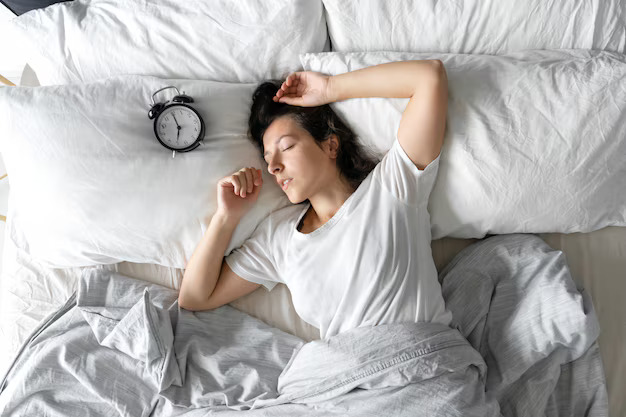
The Truth About Sleeping With Socks On

Sleeping habits can make or break the quality of your rest—and one surprisingly common question is whether sleeping with socks on is good or bad for you. Some people swear by it for warmth and comfort, while others feel it’s uncomfortable or even unhealthy. So, what’s the truth?

Thank you for reading this post, don't forget to subscribe!

In this article, we’ll explore the real benefits of sleeping with socks on, clear up common myths, and explain what science actually says about how wearing socks to bed affects sleep quality, circulation, and body temperature.


Why Do People Sleep With Socks On?

Many people wear socks to bed for simple reasons like:

  • Keeping feet warm in cold weather

  • Feeling more comfortable and secure

  • Managing cold feet due to poor circulation

  • Improving overall sleep comfort

But beyond comfort, there are real physiological reasons why sleeping with socks can help some people sleep better.


The Science Behind Sleeping With Socks On

Your body temperature plays a major role in how easily you fall asleep. As bedtime approaches, your core temperature naturally drops, signaling your brain that it’s time to rest.

Wearing socks helps by:

  • Warming your feet, which causes blood vessels to dilate

  • Improving circulation in the extremities

  • Helping your body release heat more efficiently

This process—called distal vasodilation—can actually help you fall asleep faster and enjoy deeper sleep.

Key takeaway:

Sleeping with socks on doesn’t overheat you—it can help regulate your body temperature more effectively.

Proven Benefits of Sleeping With Socks On

1. Helps You Fall Asleep Faster

Research shows that warming your feet before bed can reduce the time it takes to fall asleep. For people who struggle with cold feet, socks can be a simple, natural sleep aid.

2. Improves Sleep Quality

Better temperature regulation often leads to fewer nighttime awakenings and more consistent sleep cycles.

3. Supports Healthy Circulation

For individuals with mild circulation issues, wearing socks can help maintain steady blood flow in the feet during sleep.

4. Reduces Nighttime Discomfort

Cold feet can be distracting and uncomfortable. Socks help maintain consistent warmth, making it easier to relax and stay asleep.

5. May Help People With Certain Conditions

Those with Raynaud’s phenomenon, diabetes-related cold feet, or sensitivity to temperature changes often find sleeping with socks beneficial.


Common Myths About Sleeping With Socks On

Myth 1: Wearing Socks Causes Overheating

Truth: As long as your room isn’t too warm and your socks are breathable, socks actually support temperature balance, not overheating.

Myth 2: It’s Bad for Circulation

Truth: Loose, well-fitting socks do not restrict circulation. Tight elastic socks can be uncomfortable, but normal sleep socks are safe.

Myth 3: Socks Increase the Risk of Infections

Truth: Clean, dry socks made from breathable materials can actually protect your feet. Problems arise only if socks are damp or worn for too long without washing.

When Sleeping With Socks Might Not Be Ideal

While many people benefit from sleeping with socks, it’s not for everyone.

You may want to avoid it if you:

  • Overheat easily at night

  • Have sweaty feet or fungal infections

  • Wear tight or non-breathable socks

  • Feel uncomfortable or restricted

Sleep comfort is personal—what matters most is how your body responds.


How to Choose the Right Socks for Sleeping

If you decide to try sleeping with socks on, choose wisely.

Best socks for sleep:

  • Cotton or bamboo – breathable and soft

  • Merino wool – warm but moisture-wicking

  • Loose-fitting socks – no tight elastic bands

  • Clean and dry – change daily

Avoid thick compression socks or synthetic materials that trap heat and moisture.


Who Benefits Most From Sleeping With Socks On?

Sleeping with socks may be especially helpful for:

  • People with cold feet at night

  • Those who struggle to fall asleep quickly

  • Individuals with circulation sensitivity

  • Seniors who experience temperature changes

  • Anyone living in cool climates or air-conditioned rooms

If cold feet keep you awake, socks can be one of the simplest natural sleep improvements you can make.


Tips to Make Sleeping With Socks More Comfortable

  • Keep your bedroom at a moderate temperature

  • Use lightweight socks instead of thick winter pairs

  • Change socks daily to maintain hygiene

  • If you get warm at night, choose socks you can easily remove

Comfort should always come first—your sleep routine should support relaxation, not disrupt it.


Is Sleeping With Socks On Good for You?

The truth is, sleeping with socks on is neither strange nor unhealthy—in fact, for many people, it’s a smart and natural way to improve sleep quality.

By helping regulate body temperature, improving circulation, and reducing discomfort, wearing socks to bed can support faster sleep onset and more restful nights.


Also read: Stages Of Sleep: What Happens In A Sleep Cycle

As with most sleep habits, the best choice is the one that makes you feel most comfortable and well-rested. If socks help you sleep better, there’s every reason to keep them on.