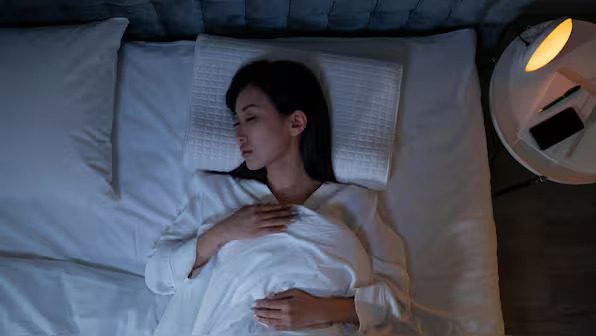


Pink noise has been widely promoted as a sleep aid, often described as a softer, more natural alternative to white noise. From smartphone apps to sleep playlists and wellness influencers, the sound has gained popularity for its supposed ability to improve sleep quality. Sleep researchers, however, say the reality is more complicated. While pink noise may help some people fall asleep, experts caution that it can also disrupt rest, particularly when used incorrectly or at high volumes. Pink noise is a type of sound that includes all audible frequencies but places greater emphasis on lower frequencies. Unlike white noise, which produces a sharp, static-like sound, pink noise is deeper and more even, resembling steady rainfall, wind or ocean waves. Because it feels softer to the ear, it is often described as calming. The brain is highly sensitive to rhythm and repetition. Pink noise is designed to encourage slow-wave sleep, the deepest stage of non-REM sleep, by synchronizing brain activity with steady, low-frequency sound patterns. This process, known as acoustic stimulation, is linked to memory consolidation and the brain’s waste-clearing system, which removes metabolic by-products during deep sleep. Experts say pink noise should be treated as a temporary aid rather than an all-night solution. Using high-quality, non-looping audio at low volume may help with sleep onset. Sleep specialists also caution against sound dependency, where the brain becomes unable to initiate sleep without noise. Fade-out timers, which allow sound to stop after the first sleep cycle, are often recommended.
Thank you for reading this post, don't forget to subscribe!What Is Pink Noise And Why Some Experts Say It May Be Bad For Sleep