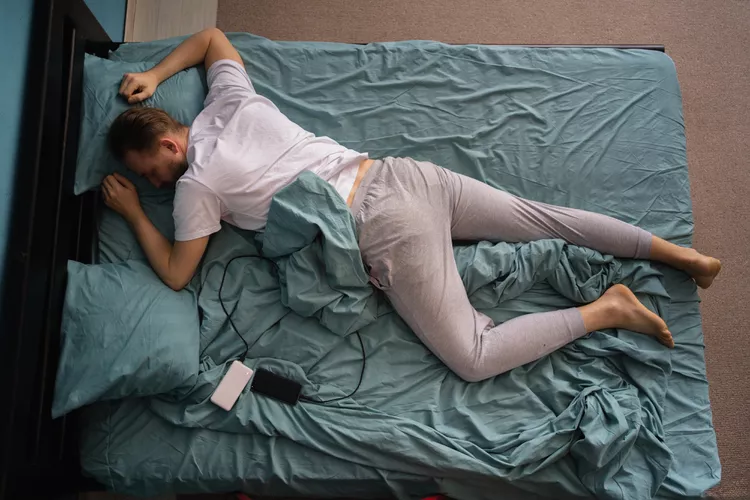


There’s little scientific evidence linking sleep position to mental health, despite online claims suggesting otherwise. Chronic stress raises cortisol levels, disrupting sleep and worsening conditions like anxiety and depression. Establishing a calming bedtime routine can help reduce stress and improve sleep quality. When you are under stress, your body responds by activating the hypothalamic-pituitary-adrenal (HPA) axis, which releases cortisol, a critical hormone that helps manage your body’s response to stress. In addition to controlling our sleep-wake cycle, cortisol helps us regulate our metabolism and reduce inflammation. Prolonged, elevated cortisol levels or chronic stress can disrupt these processes, leading to inflammation, chronic pain, depression, and even the progression of Alzheimer’s and Parkinson’s disease Certain nighttime behaviors, like teeth grinding and covering your ears while sleeping may indicate nervous system activation, but they’re not necessarily a reflection of your daytime stress levels, They may actually be activations or reactions to physical stress at that moment. However, some sleep disturbances, such as sleepwalking, night terrors, and other movement-related disorders, are commonly seen in people under a lot of stress. If stress interferes with your sleep, establishing a bedtime routine and incorporating relaxation techniques before bed can help signal your body that it’s time to unwind. If you don’t get highly efficient and unfragmented sleep, you can either have anxiety or depression,”. However, patients who receive treatment for their sleep problems often see significant improvements in their mental health, too. Studies have found that many sleep disorders, including sleep apnea, restless leg syndrome, insomnia, narcolepsy, daytime sleepiness, and nightmares, are more common in people experiencing mental health difficulties. Neurodivergent people, particularly those with ADHD, often face even greater challenges in getting quality sleep due to low melatonin levels at night, sensory issues, or a more active nervous system
Thank you for reading this post, don't forget to subscribe!What Your Sleeping Position Says About Your Mental Health