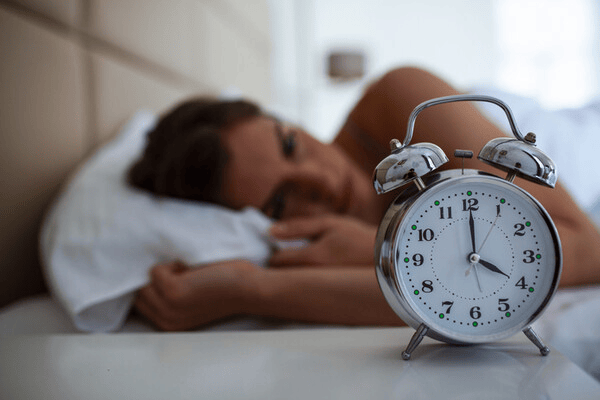


Stress is a common cause of insomnia. Additionally, as people age, the brain’s sleep–wake regulation function weakens, leading to reduced sleep duration and increased sleep fragmentation. Melatonin secretion, which acts as a signal regulating the sleep–wake rhythm, also decreases. However, stress and age alone are often not the sole causes of sleepless nights. Sleep disorders are significant medical issues that go beyond mere discomfort and can be closely linked to cardiovascular disease, metabolic disorders, and neurodegenerative diseases . Rather than dismissing insomnia as a result of aging, patients should seek an accurate diagnosis and systematic treatment at an early stage Sleep serves different functions at each stage. Deep sleep, known as slow-wave sleep, aids physiological recovery by restoring the brain and body, strengthening immunity, and removing waste products. Light sleep, known as REM sleep, is involved in emotional regulation and the consolidation of memory and learning. Maintaining a proper balance between these stages is essential for brain health and emotional stability. For chronic insomnia, non-pharmacological treatments are recommended before medication, including stimulus control therapy, sleep restriction therapy, and relaxation training—collectively known as cognitive behavioral therapy for insomnia (CBT-I). Stimulus control therapy involves going to bed only when sleepy and leaving the bed when unable to sleep, helping break maladaptive sleep-related conditioning.
Thank you for reading this post, don't forget to subscribe!Treating Underlying Conditions More Important Than Sleeping Pills For Insomnia