

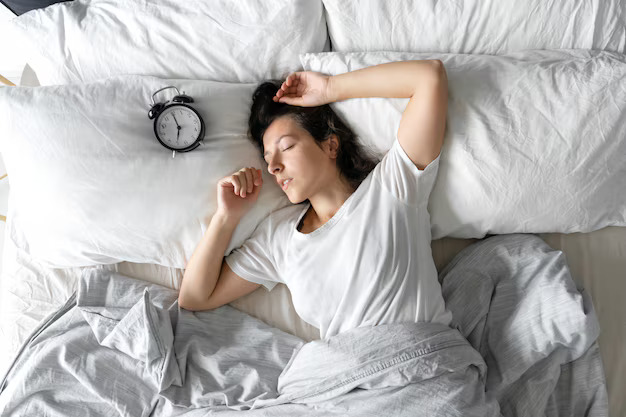
Some of us find it harder than others to catch some zzzs at night—the science behind sleep and its tips for getting a good night’s rest. Sleep, Like The weather, is one of those easy topics of conversation. People like to compare and contrast. It is estimated that around one in three people regularly experience insomnia, with the elderly particularly at risk. Insomnia can vary in how it presents; some find it hard to fall asleep, while others experience a broken pattern of constantly waking up. Others wake up early in the morning and are unable to get back to sleep. It can leave you feeling unrefreshed the next day – tired, irritable, and unable to concentrate. For some people, insomnia comes and goes in episodes without causing any real problems; for others, it can have a serious impact on relationships and quality of life. It may even be a sign of illness. Such illnesses might include obstructive sleep apnea (OSA), where the upper airway keeps closing during sleep, causing loud snoring or even pauses in breathing that keep waking the person up. In the doctor’s surgery, the person might complain of a morning headache or excessive daytime sleepiness. Unsurprisingly, OSA correlates with road traffic accidents because people fall asleep behind the wheel. For example, an inability to fall asleep (or “initial insomnia”) suggests an anxiety disorder, while recurrent nightmares are common with PTSD. “Early morning wakening” suggests depression, while people with mania typically experience a dramatically reduced need for sleep at all. Although some psychotherapists will explore dreams in a less-strictly “Freudian” manner, they tend to focus on dreams by way of processing daily events, memories, stressors, and emotions rather than unconscious desires. Indeed, lots of other hormones change predictably over a twenty-four-hour period in what is called the circadian rhythm. These include growth hormone (higher during sleep), thyroid-stimulating hormone (higher during sleep and lower in the afternoon), and cortisol (rising rapidly in the middle of the night and peaking next morning). This helps to explain why you will feel jet-lagged if you fly home from the other side of the world; your mind may have caught up with the new time zone, but it will take your body a week or so to adapt. Strangely, we don’t have to go back too far to find sleep patterns quite different from what we see today. Back in the Middle Ages, people would typically sleep twice in a twenty-four-hour period – a pattern known as biphasic (or segmented) sleep. REM naturally involves rapid eye movement, but also a faster heart rate and breathing, and increased brain activity. Our muscles (except eye muscles, obviously) are paralyzed during this stage. If they weren’t, we would be prone to acting out our dreams. Some people experience a minute or two of REM at the very start of sleep before non-REM begins, but REM begins in earnest at the end of the first sleep cycle, around 90 minutes after we fall asleep.
Thank you for reading this post, don't forget to subscribe!Struggle With Sleeping Here Are Seven Tips To Help You Nod Off